

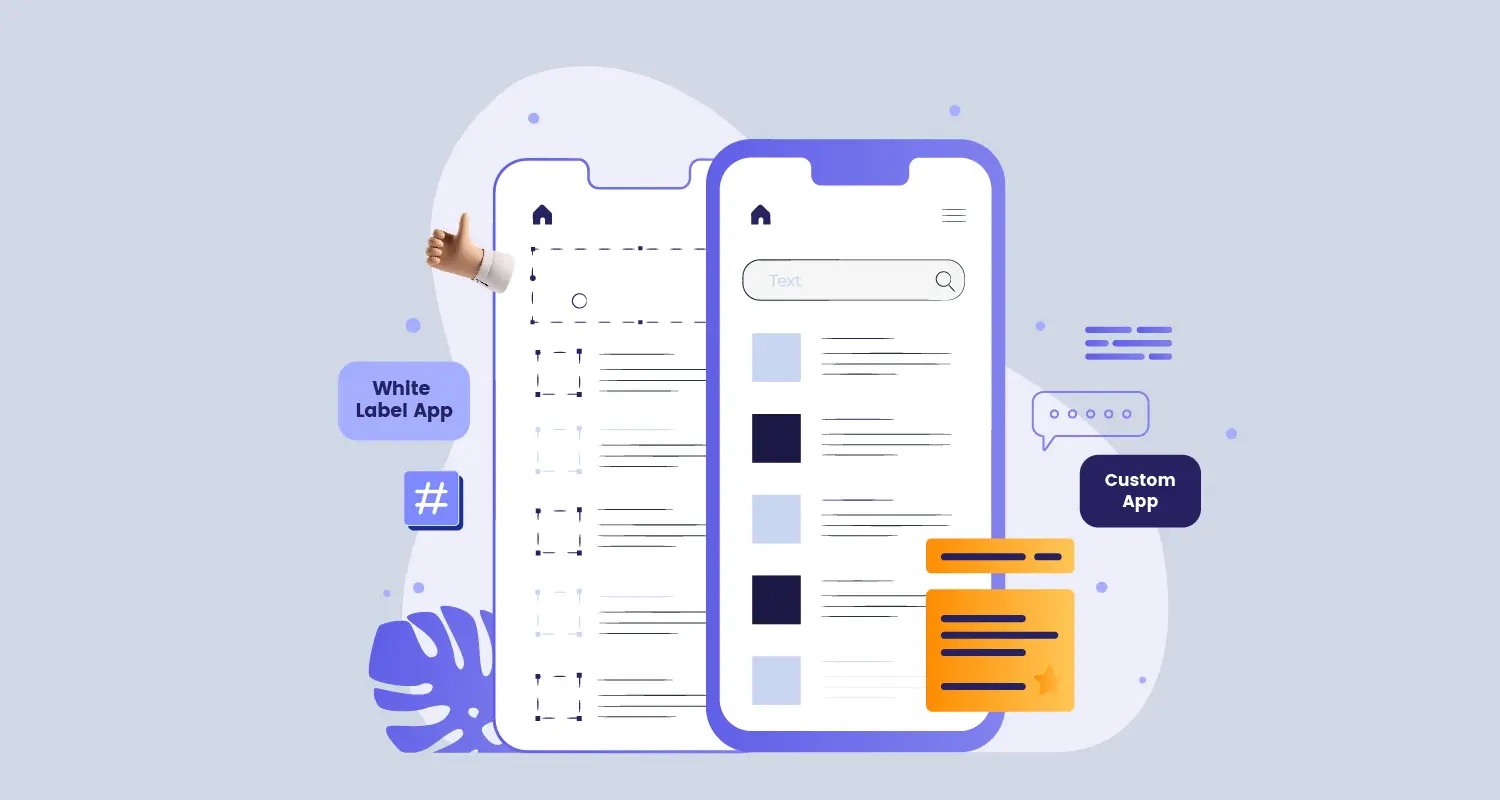
In today’s dynamic business landscape, technological advancements have revolutionized how companies operate and serve their customers. One such innovation that’s significantly reshaping the digital realm is the concept of White Label apps.
Introduction to White Label Apps
Before delving into the benefits and intricacies, it’s crucial to grasp the fundamental concept of white label apps. These apps are pre-designed, developed applications that businesses can rebrand and customize as their own. Essentially, they serve as a ready-made solution for companies seeking to establish a digital presence without investing extensive resources in development from scratch.
- Understanding the Concept of White Label Apps
- What Are White Label Apps?
White label apps are essentially off-the-shelf software solutions that companies can brand with their logo, colors, and identity. They come fully functional and can be tailored to suit specific business needs, saving substantial time in development.
- How Do They Function?
These apps are designed with flexibility in mind, allowing businesses to integrate their unique features, ensuring a seamless user experience while significantly reducing time-to-market.
- Benefits of White Label Apps Time-Saving Capabilities
One of the most significant advantages of white label apps is the time they save. By leveraging these solutions, businesses can skip the lengthy development process, accelerating their entry into the digital space.
- Cost-Efficiency
The financial aspect is equally compelling. Custom development can be costly, whereas white label apps for businesses offer a cost-effective alternative, enabling companies to allocate resources more efficiently.
- Customization and Branding
Despite being pre-built, these apps offer room for customization, enabling businesses to align the app’s functionalities with their brand image and user expectations.
- Applications Across Various Industries
White label apps have found applications in diverse industries, including healthcare, education, retail, and service-based businesses. Their adaptability makes them a viable solution across different sectors, addressing unique industry-specific needs.
- Factors to Consider When Choosing a White Label App
- Scalability
A crucial aspect to consider is scalability. Businesses must choose apps that can accommodate growth and evolving demands without compromising performance.
- Customization Options
The level of customization allowed is another pivotal factor. An ideal white label app should offer enough flexibility to tailor functionalities according to specific business requirements.
- Integration Abilities
Compatibility with existing systems and seamless integration capabilities are vital to ensure smooth operations without disruptions.
- How White Label Apps Impact Business Growth
By streamlining operations and providing a faster market entry, white label apps contribute significantly to business growth. They offer a competitive edge, facilitating wider market reach and customer engagement.
- Case Studies: Success Stories with White Label Apps
Several businesses have witnessed remarkable success by adopting white label apps, demonstrating how these solutions have revolutionized their operations and market presence.
- Challenges and Solutions
While advantageous, white label apps come with their set of challenges. Common issues include limited customization and potential scalability constraints. Strategies involving collaboration with reliable developers and continuous updates can mitigate these challenges.
- Future Trends in White Label Apps
Technological advancements will continue shaping white label apps, introducing more sophisticated features and enhanced user experiences. Market projections indicate a significant rise in adoption across various sectors.
Conclusion
In conclusion, white label apps stand as a testament to innovation and efficiency in the digital era. They offer a time-saving, cost-effective solution for businesses aiming to establish a robust digital presence.
Unique FAQs
- Are white label apps suitable for startups or established businesses?
Answer: White label apps cater to both. They provide a quick launchpad for startups and streamline operations for established businesses.
- Can white label apps be customized extensively?
Answer: While there are limitations, most white label apps offer a degree of customization to align with business needs.
- What industries benefit the most from white label apps?
Answer: Various industries, including healthcare, education, retail, and service-based businesses, find value in white label apps due to their adaptability.
- Are white label apps cost-efficient in the long run?
Answer: Yes, they eliminate extensive development costs and reduce time-to-market, ultimately proving cost-efficient.
- How do white label apps contribute to business growth?
Answer: By enabling faster market entry, streamlining operations, and offering customization, they contribute significantly to business growth.