

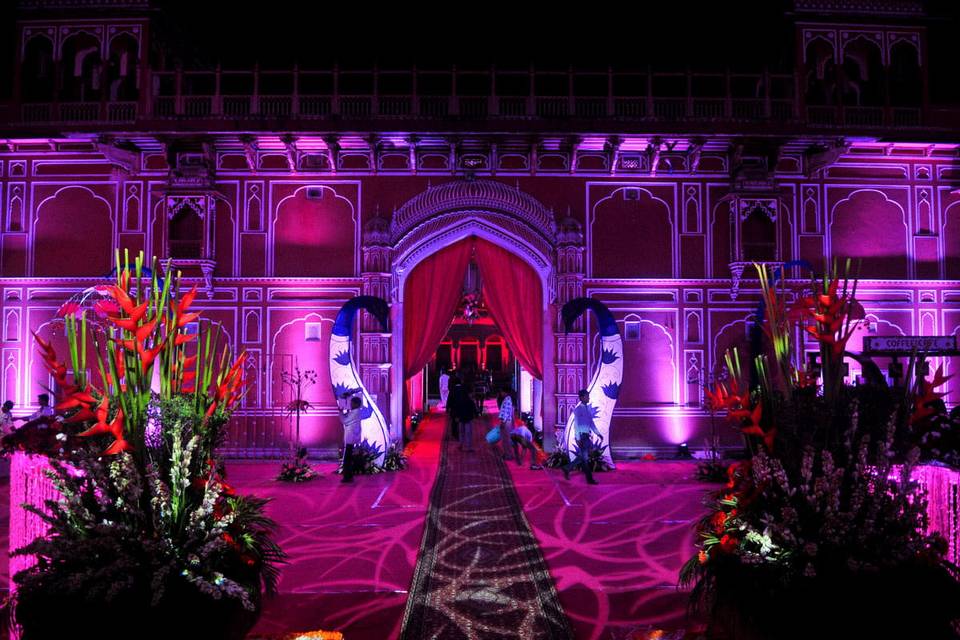
Weddings today are no longer confined to rituals, ceremonies, and traditional grandeur. They have evolved into immersive celebrations that reflect a couple’s unique story, values, and creativity. This transformation has given rise to experiential weddings — an emerging trend where every detail is designed to evoke emotion, inspire participation, and create lasting memories. Unlike the classic “sit, watch, and dine” weddings, experiential weddings invite guests to be part of the story, making them active participants rather than passive attendees.
What Makes a Wedding Truly Experiential?
An experiential wedding is built around emotion, engagement, and personalization. Instead of following a formula, every moment is carefully crafted to immerse guests in a shared experience that reflects the couple’s personality and journey together. It’s not about excess—it’s about meaning and connection. The décor, music, food, and even the sequence of events are designed to tell a story. Whether it’s a scent-filled entrance that evokes nostalgia or an interactive dessert station inspired by the couple’s travels, every element serves a purpose.
Key Elements of an Experiential Wedding
-
Personal storytelling woven through music, décor, and speeches
-
Interactive elements like live calligraphy, mixology bars, or photo installations
-
Immersive entertainment—from live art to theatrical performances
-
Sensory design incorporating lighting, scents, and textures to heighten ambiance
-
Guest-centric experiences that go beyond traditional hospitality
Each of these elements contributes to the wedding’s ability to leave an emotional imprint on everyone present.
Storytelling as the Heart of Modern Wedding Design
The core of an experiential wedding lies in storytelling. Modern couples want their guests to feel their journey—how they met, what they’ve overcome, and the dreams they share. Designers and planners are now transforming storytelling into visual, auditory, and even culinary experiences. Imagine a couple who met while backpacking in Europe—each table at their reception could represent a different country they visited, with corresponding dishes and music. This type of immersive narrative transforms décor into dialogue and memories into moments.
Planners often begin by interviewing couples to extract meaningful stories, then use these as creative anchors. From vows and floral arrangements to the lighting design and dress code, every detail becomes part of the narrative arc. This meticulous attention to story-driven detail is what differentiates experiential weddings from conventional celebrations.
The Power of Sensory Design in Weddings
To create emotional depth, experiential weddings engage all five senses. Sight and sound are obvious, but touch, taste, and scent are now being integrated in groundbreaking ways. For example:
-
Lighting and color schemes are curated to match the emotional tone of each phase—soft hues for intimate moments, dynamic lighting for celebration.
-
Scent branding is gaining popularity, where signature fragrances are created exclusively for the wedding, evoking memory long after the event.
-
Texture layering in table linens, floral arrangements, and materials add a tactile richness.
-
Culinary storytelling turns the menu into a sensory journey, often with live chefs explaining the cultural significance behind dishes.
When done right, sensory design transforms the event into something deeply personal and unforgettable.
Technology and Innovation: The New Wedding Frontier
Technology has become a creative ally in experiential weddings. From augmented reality invitations that tell a couple’s story to interactive projection mapping that transforms venues into fantasy landscapes, innovation has opened doors to limitless possibilities. Drone light shows have replaced fireworks in eco-conscious weddings, while live streaming and holographic toasts allow distant loved ones to join virtually.
Moreover, AI-driven planning tools are helping designers predict guest engagement patterns, enabling planners to fine-tune layouts, music transitions, and even food service timing. The result? A seamless, dynamic celebration where everything feels intuitively connected.
Destination Weddings Reimagined
Destination weddings were once about scenic beauty and luxury venues; now they are about cultural immersion. Modern couples are choosing destinations not just for the view, but for the story they represent. Instead of staging typical beach ceremonies, they integrate local artisans, traditions, and flavors into their celebrations. Guests might attend a pottery-making session in Tuscany or a tea-blending workshop in Kyoto. The experience becomes a cultural exchange rather than a passive vacation.
This approach also fosters sustainability and community support by involving local vendors and preserving indigenous traditions. In many ways, experiential destination weddings redefine what “authentic celebration” truly means.
Sustainable and Ethical Experiences: The Conscious Celebration
Experiential weddings align naturally with sustainability because both prioritize intentional choices. Today’s couples are deeply aware of their environmental and social impact. They’re choosing eco-friendly venues, plastic-free décor, locally sourced menus, and ethical fashion for attire and jewelry. However, the new wave of conscious weddings goes beyond being “green”—it’s about meaningful connection. Some couples invite guests to plant trees during the ceremony or donate to a cause instead of giving favors. This shift from consumption to contribution adds emotional weight and authenticity to the experience.
Entertainment as Immersion
Gone are the days when wedding entertainment meant a live band and a dance floor. Experiential weddings bring multi-layered entertainment—unexpected, interactive, and often theatrical. Imagine a jazz ensemble emerging mid-dinner, a painter capturing the ceremony live, or dancers narrating the couple’s love story through performance. Entertainment now serves as emotional punctuation in the wedding timeline, carefully placed to guide the audience’s mood and engagement throughout the event.
The Role of Guest Engagement in Success
What sets experiential weddings apart is how deeply guests are involved. The focus is not just on how things look but on how people feel and participate. Guests might create collaborative art, contribute wishes through interactive installations, or enjoy personalized moments like custom cocktails named after them. This engagement turns spectators into storytellers—making the wedding an inclusive, shared experience rather than a spectacle.
Ways to Enhance Guest Experience
-
Personalized welcome kits reflecting the wedding theme
-
Interactive dining concepts such as tasting menus or chef-led counters
-
Custom playlists allowing guests to choose songs pre-event
-
Photo storytelling corners that replace standard photobooths
-
Quiet zones for relaxation and connection
The goal is to make every attendee feel personally valued and emotionally connected.
The Future of Experiential Weddings
The future of weddings lies in purpose-driven creativity. As couples continue to value meaning over materialism, experiential weddings will evolve into artistic, sustainable, and emotionally intelligent celebrations. Technology will amplify personalization, but the essence will always remain human connection. Whether it’s a minimalist eco-retreat or a cinematic weekend festival, the foundation of experiential weddings will always be about crafting moments that matter.
FAQs
1. Are experiential weddings more expensive than traditional ones?
Not necessarily. The cost depends on personalization and design choices, not extravagance. Many couples achieve immersive experiences through creativity rather than scale.
2. How long does it take to plan an experiential wedding?
Typically, 9 to 18 months. Story-driven planning and coordination with multiple vendors require more thoughtful preparation.
3. Can small weddings be experiential too?
Absolutely. Intimate weddings are ideal for experiential design since planners can focus on deeper personalization and sensory detail.
4. What role does technology play in experiential weddings?
Technology enhances engagement through interactive design—think projection mapping, personalized digital invites, or virtual participation for remote guests.
5. How can sustainability fit into experiential weddings?
Eco-friendly décor, zero-waste catering, and supporting local artisans make the event meaningful and environmentally conscious.
6. Are experiential weddings culturally adaptable?
Yes, they can blend tradition and innovation. Cultural rituals can be reimagined through storytelling, design, and interactive symbolism.
7. What’s the biggest advantage of choosing an experiential wedding?
It transforms the celebration into a powerful emotional experience—guests don’t just remember what they saw; they remember what they felt.