
Choosing the right apparel and grooming routine for your dog can have a significant impact on their comfort throughout the year. While many dog owners may focus on clothing for fashion purposes, understanding how a dog’s coat type influences their seasonal comfort is key to ensuring their well-being. Different coat types serve various functions, from providing insulation in cold weather to keeping them cool during the warmer months. By aligning grooming practices and apparel choices with your dog’s coat type, you can enhance their comfort and health, no matter the season.
Understanding Coat Types and Their Seasonal Roles
Dog coat types vary widely, from smooth, short-haired breeds like Whippets and Dalmatians to double-coated breeds such as Huskies and Collies. Each type has its unique features and requirements when it comes to seasonal comfort. Short-haired breeds typically have less insulation, which makes them more susceptible to the cold. In contrast, double-coated breeds possess a dense undercoat that acts as natural insulation, keeping them warm in winter and cool in summer by trapping air close to the skin.
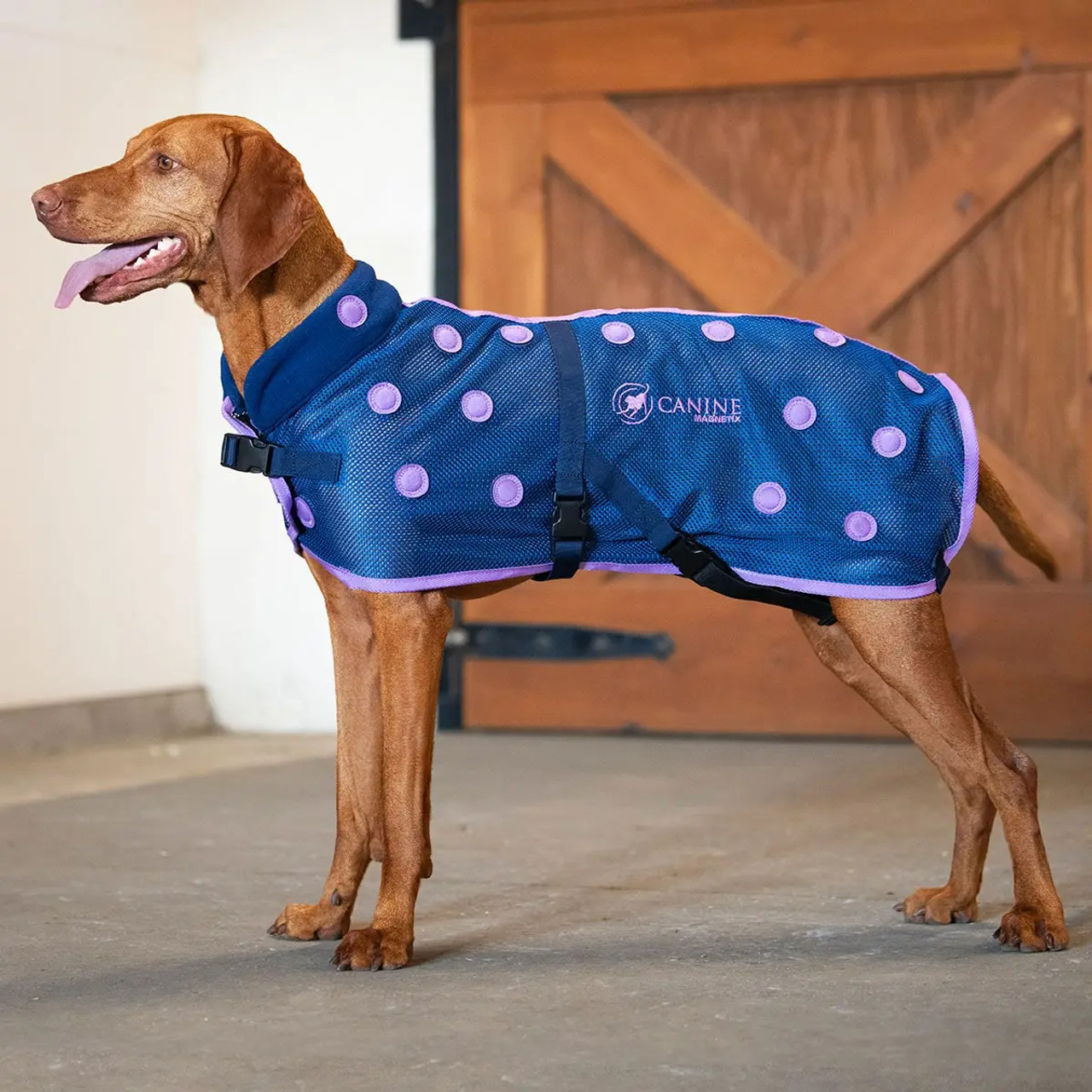
Short-haired breeds, particularly those with fine or single coats, can benefit from additional protection during colder months. An extra layer, such as a waterproof whippet coat, not only provides warmth but also shields from wind and rain. These coats are specifically designed for breeds like Whippets that lack the natural insulation of thicker-coated dogs, ensuring they stay comfortable even in damp and chilly conditions.
The Role of Grooming in Seasonal Comfort
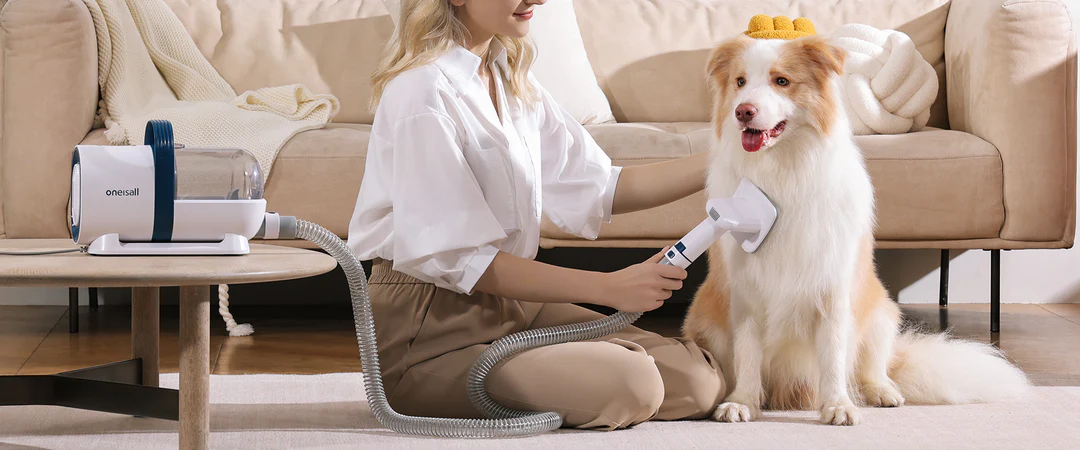
Grooming plays an essential role in maintaining your dog’s comfort throughout changing seasons. Regular brushing helps to remove loose hair, prevent matting, and distribute natural oils across the skin. This is especially important for double-coated breeds during shedding seasons, as it allows the undercoat to adjust more effectively to the shifting weather. For short-haired breeds, regular grooming can still enhance coat health by keeping the skin clean and ensuring any apparel fits snugly without irritation.
During the colder months, it’s wise to adjust the grooming frequency and technique to suit your dog’s coat type. For example, long-haired breeds may benefit from trims to prevent snow or moisture from clinging to their fur, which can lead to chills. Meanwhile, breeds with shorter coats may require less frequent grooming but can benefit from moisturising treatments to keep their skin healthy under layers of clothing.
Choosing Seasonal Apparel Based on Coat Type
When selecting apparel for your dog, consider how it will interact with their natural coat. Double-coated breeds usually don’t need heavily insulated clothing, as their fur already provides significant warmth. Instead, they benefit from lighter layers that protect against wind or rain without causing overheating. On the other hand, dogs with shorter coats often require additional layers to stay comfortable during winter outings.
Breeds with thin coats, like Greyhounds and Whippets, not only need warm clothing but also apparel that’s gentle on their skin. Fabrics that are soft, lightweight, and fit well will prevent rubbing or irritation, which is particularly important for dogs with sensitive skin. Waterproof and wind-resistant materials are ideal for maintaining comfort in variable weather conditions, ensuring your dog remains dry and warm.
Adjusting Seasonal Strategies for Comfort and Well-being
By aligning your grooming routine and apparel choices with your dog’s coat type, you can help them transition comfortably from one season to the next. Dogs with double coats require more intensive grooming during seasonal changes to manage shedding, while short-haired breeds might need additional protection during cooler weather. By understanding the relationship between coat types and seasonal comfort, you can provide the best care for your canine companion all year round.