
The Color Spectrum: Understanding Quartz Countertop Hues
The Science Behind Color in Quartz
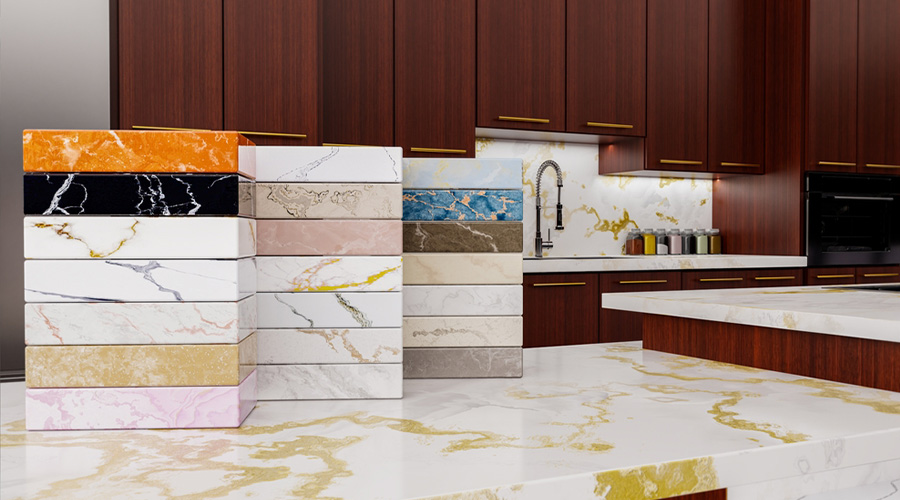
Colors play a significant role in our perception of space and aesthetics, influencing moods and creating atmospheres. Quartz countertops, known for their durability and low-maintenance nature, also offer various quartz countertop color options and patterns that cater to diverse tastes. The science of color in quartz is rooted in the mineral composition of quartz itself, which is usually combined with resins, colors, and polymer materials. This combination not only lends strength to the surface but also allows for the infusion of pigments. As light interacts with these colors, it reveals nuances that can vary under different lighting conditions, making the selection of hue an essential aspect of design.
The key to understanding colors in quartz lies in the color wheel. Each color can evoke different feelings. For instance, blues and greens might instill a sense of calmness, while warmer tones evoke energy and warmth. Additionally, the saturation or intensity of these colors—whether they are muted or vibrant—will influence the overall aesthetic of the space. Thus, incorporating color theory in your quartz countertop selection can create environments that perfectly align with intended atmospheres.
Exploring Warm vs. Cool Tones
When selecting a quartz countertop, homeowners must consider the nature of warm versus cool tones. Warm tones—such as reds, oranges, and yellows—tend to create inviting and cozy environments. These shades are perfect for spaces intended for relaxation, such as kitchens and family areas, where warmth fosters social interaction. Popular warm-toned quartz options include russet browns and golden yellows that resemble natural stone and wood, often creating heartwarming visual experiences.
In contrast, cool tones—like blues, greens, and purples—provide a soothing effect that can be refreshing and serene. These colors are typically utilized in spaces such as bathrooms and modern kitchens to evoke tranquility and sophistication. Shades like deep navy and rich emerald are particularly trendy and often paired with lighter elements to create striking contrasts. Choosing between warm and cool tones ultimately depends on the desired emotional response and the existing color palette in your home, making this choice integral to effective design.
How Texture Influences Perceived Color
The texture of a quartz countertop can significantly alter how color is perceived in any given environment. Smooth, polished finishes tend to maximize light reflection, enhancing the vibrancy of colors, making them appear more intense and bright. This can lead to a sophisticated aesthetic, particularly in oxides where vibrant colors are desired. Conversely, textured finishes, such as honed or matte, diffuse light and can soften the appearance of colors. While these textures may mute percussive colors, they evoke a more organic feel that some homeowners in search of rustic charm may prefer.
Furthermore, the veining or pattern of the quartz can enhance color perception as well. Striations in contrasting colors can create a more dynamic look, showcasing how light interacts with the stone’s inherent beauty. Therefore, when selecting quartz countertops, understanding how different textures work with color is vital in defining the tone of your space and ensuring it aligns with your design objectives.
Trending Quartz Colors That Elevate Your Space
The Rise of Deep Blues and Greens
In the world of interior design, deep blues and greens have emerged as standout selections for quartz countertops. Rich, jewel-toned colors not only add depth to a room but also create a luxurious ambiance. Deep blue quartz can evoke feelings of calmness, mirroring serene ocean waters, while rich green shades draw inspiration from lush natural landscapes. These hues reflect a growing trend towards nature-inspired color palettes, fostering an organic harmony within modern interiors.
Homeowners are increasingly drawn to quartz options featuring stunning gradients that resemble natural stone, complete with flecks and variations that mimic the beauty of undisturbed minerals. This trend is particularly prominent in open kitchens and bathrooms, where deep hues can be complemented with light cabinetry, brass fixtures, or wooden accents, creating inviting yet upscale spaces. Such color choices are not only aesthetically captivating but also enhance the sense of well-being, further underscoring the intrinsic connection between natural colors and emotional health.
Classic Whites and Neutrals: Timeless Choices
While bold colors take center stage, classic whites and neutrals continue to dominate the quartz countertop market as timeless favorites. Soft whites, creams, and greys provide versatility, allowing homeowners to create various design aesthetics, from minimalist and modern to traditional and rustic. These colors serve as a neutral canvas, seamlessly pairing with other design elements and color schemes, facilitating easy updates as trends evolve.
Moreover, white and neutral countertops can lighten up spaces, creating an illusion of a larger area, which is especially beneficial for smaller kitchens and bathrooms. They can also enhance the influence of natural light, making spaces feel airy and inviting. Textured white quartz with subtle veining can also add depth and dimension, preventing monotony while providing an air of sophistication. Homeowners often utilize this timeless palette to create backgrounds that highlight selected decor, artwork, or appliances, accentuating individual styles without overpowering them.
Bold Colors for a Statement Kitchen
For those looking to make a daring statement, bold colors in quartz countertops are rapidly gaining momentum. Bright reds, vibrant yellows, and contrasting blacks or whites can inject personality and warmth into any kitchen design, turning the countertop into a focal point. Such courageous color choices are ideal for contemporary and eclectic spaces where homeowners want to express individuality and energy.
Statement kitchens featuring bold quartz colors can be beautifully balanced by incorporating neutral cabinetry and decor, allowing the vibrant countertops to shine without overwhelming the senses. Such designs often showcase creative backsplash layouts, colorful appliances, or intricately patterned rugs that harmonize with the bold hues of the quartz. By daring to use color in such a pronounced manner, homeowners can easily bring life to their spaces and create environments that inspire conversation and engagement.
Combining Colors: Perfect Pairings for Quartz Countertops
Accent Colors that Complement Quartz
When it comes to designing spaces with quartz countertops, considering accent colors is crucial for achieving cohesive aesthetics. Accent colors can highlight key elements and create visual interest, allowing the quartz to stand out while maintaining balance. For example, a deep blue quartz countertop can be paired with pops of gold or brass in light fixtures, hardware, and accessories, embodying an elegant and luxurious feel.
Similarly, light-colored quartz countertops lend themselves well to darker accents, drawing attention and creating striking contrasts. Charcoal or black cabinets can lend a bold modern touch, while still allowing vibrant colors of any artwork or plants to burst forth. Incorporating accent colors is more than just about aesthetics; it also reflects identity and creates a mood, whether cozy, vibrant, or timeless.
Mixing Materials: Blending Wood with Quartz
An exciting trend in countertop design is the blending of materials, specifically pairing quartz countertops with wooden elements. The combination of the sleek, polished finish of quartz with the warm, tactile quality of wood creates a beautiful juxtaposition that adds both warmth and sophistication to kitchens and bathrooms. Light-colored quartz can complement darker woods, providing a fresh and modern counterpoint that feels balanced.
Designers often recommend considering reclaimed or distressed wood for added character and rustic charm. This counterbalance not only enhances the quartz surface’s elegance but also adds texture and warmth to the overall environment. Additionally, utilizing wooden cabinetry or shelving with quartz countertops creates a seamless design language, fostering an inviting atmosphere while ensuring durability and functionality.
Integrating Lighting for Color Enhancement
Lighting is a potent tool when it comes to highlighting the beauty of quartz countertops. The right lighting can dramatically enhance color perception and create complementary shadows that make one appreciate the intricate details of the surface. Natural light is particularly effective, as it showcases the variances in color that are often lost under artificial light. For instance, a quartz countertop with warm undertones can appear more inviting and radiant in daylight, while in the evening, softer lights can enhance cool blues or greens, facilitating a tranquil environment.
Incorporating layered lighting will also elevate the countertop’s impact further. Ambient lighting provides overall brightness, while task lighting focuses on functional areas like cooking spaces, and accent lighting draws attention to specific elements like backsplashes or decorative accessories. Gorgeous pendant lights or LED strips can illuminate underneath countertops, creating a luxurious floating appearance while enhancing the color dynamics of the quartz, transforming your kitchen into a true focal point.
Maintenance and Longevity: Keeping Your Quartz Countertops Beautiful
Sealing and Protecting Your Countertop’s Color
One of the many benefits of quartz countertops is their inherent durability. Unlike some natural stones, quartz is non-porous, which means it does not require routine sealing to maintain its beauty. However, protecting the countertop from potential stains and ensuring vibrancy, occasional sealing using a specialized quartz cleaner is advisable. These products can shield the color and enhance brightness, allowing the surface to resist etching and fading over time.
Understanding the distinction in maintenance practices among lighter and darker colors is also critical. Jewel-toned countertops may require more attention due to their color saturation, whereas lighter shades may be more forgiving with minor stains. Regardless of the chosen color, homeowners should establish a regular cleaning schedule to retain the aesthetic integrity of their quartz surfaces.
Cleaning Tips to Preserve Vibrancy
Proper cleaning is essential for preserving the vibrancy and aesthetic appeal of quartz countertops. Homeowners should utilize gentle dish soap and warm water as a primary cleaning solution for everyday use. Avoid harsh chemicals, bleach, or abrasive scrubs, as they can dull color and damage the finish. It is also paramount to use a soft cloth or sponge to gently wipe up spills immediately, as some substances can stain the surface if allowed to sit.
For deeper cleaning or when notable stains appear, a mixture of baking soda and water can serve as an effective natural cleaner for quartz surfaces. Using a paste and gently scrubbing with a non-abrasive cloth will eliminate stubborn marks while preserving the integrity of the color. This method not only maintains the vibrancy of the quartz but also ensures a fresh and polished look without any chemical interference.
Understanding the Lifespan of Different Color Options
When embarking on a quartz countertop selection journey, understanding the lifespan associated with various color options can be insightful. Generally, quartz countertops are designed to endure long-term usage and remain in excellent condition for many years, typically ranging from 10 to 25 years, depending on maintenance and usage frequency. However, certain colors may show signs of wear more prominently due to staining or fading over time.
Lighter colors, while elegant and beautiful, may require more diligence in maintenance to prevent staining from everyday cooking activities, whereas deep, saturated colors may hide wear and tear better, maintaining their charm for an extended period. Thus, when choosing colors, it is vital to factor in both aesthetic preferences and practical tendencies in order to achieve an enduring blend of beauty and functionality in your home.
FAQ
Question: Can quartz countertops be used outdoors? – While quartz is durable, exposure to direct sunlight and extreme weather can cause discoloration. It is generally recommended to use quartz in indoor applications.
Question: Are quartz countertops susceptible to scratches? – Quartz countertops are made from a hard material, making them resistant to scratches; however, cutting directly on the surface can still cause damage over time.
Question: How do I choose the right quartz countertop color for my space? – Consider the overall design theme of your home, the existing color palette, and the emotions you want to evoke in the space to make an informed choice.
Question: Is quartz more expensive than other countertop materials? – Quartz tends to be on the higher end compared to laminate or some natural stones, but it offers durability and low maintenance that may justify the cost over time.
Question: How can I test the quality of a quartz countertop? – Look for certifications, check the density and weight of the material, and assess the warranty offered by the manufacturer, as these factors can indicate quality.
Question: Can I install quartz countertops myself? – While DIY installation is possible, it is complex and often requires professional equipment; hiring a professional installer is typically advisable for best results.
Question: What should I do if my quartz countertop gets stained? – Clean it immediately with warm soapy water for light stains. For tougher stains, a paste of baking soda and water can be applied, followed by gentle scrubbing.
Question: Are there eco-friendly quartz options available? – Yes, some manufacturers offer eco-friendly quartz countertops made from recycled materials or sustainable practices; it’s best to check product specifications for more information.