

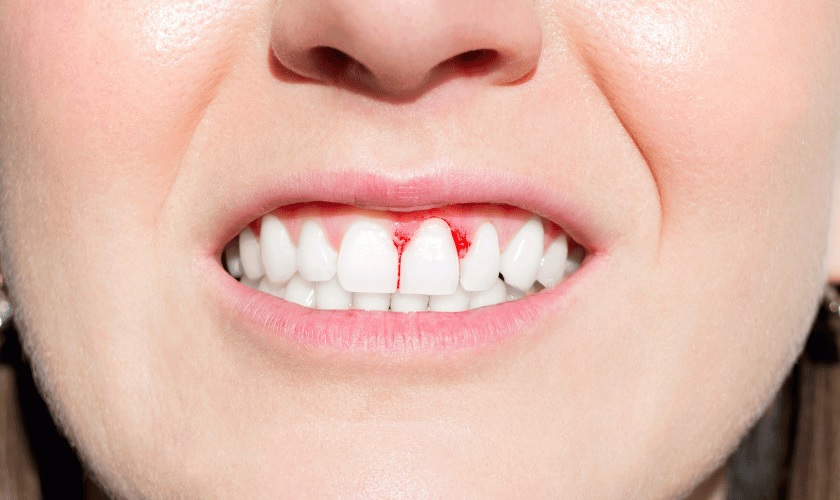
Periodontal disease is the most common chronic disorder that leads to the progressive destruction of the supporting structures of your teeth. Being one of the leading causes of tooth loss, periodontal disease can wreak havoc on your oral health and aesthetics.
Treatment offered by the dentist in Concord, NC, for periodontal disease aims at curbing the disease progression while providing relief from symptoms.
Your guide to periodontal disease
Periodontal disease, or gum disease, is an infection and inflammation of the tissues that surround and hold your teeth in place. It is a progressive disease that, when left untreated, can cause deteriorating consequences, hampering your oral and overall health.
Stages of periodontal disease:
- Gingivitis
-
-
- Cause swelling and reddening of the gum tissue, which is usually reversible if treated on time.
-
- Periodontitis
-
- Characterized by the pulling away of the gums from the teeth, followed by bone deterioration and tooth mobility.
How is periodontal disease caused?
Bacteria is the most common etiological factor that can lead to an increased formation of plaque. This is a sticky biofilm that adheres to the tooth surfaces. This creates a favorable environment for the survival of bacteria and eventually hardens to form calculus. As the infection spreads, it can erode the gums and destroy the underlying jawbone by releasing harmful toxins and acids.
Are there any risk factors associated with periodontal disease?
Certain factors can increase your risk of periodontal disease, such as:
- Genetic predisposition
- Poor oral hygiene
- Pregnancy and menopause due to hormonal changes
- Smoking
- Stress
- Medications such as immunosuppressants and those that reduce saliva production
- Certain autoimmune diseases like lupus
- Heart or respiratory disease
Mention the warning signs of periodontal disease
Some of the common alarming signs of periodontal disease include:
- Red, swollen gums
- Tender, painful gums
- Persistent bad breath (halitosis)
- Pain when chewing
- Poor bite due to malocclusion
- Receding gums
- Increased tooth sensitivity
- Loose teeth
How is periodontal disease treated?
Your dentist will recommend any one of the following treatment options depending on the stage and severity of the disease.
Treatment options include:
Non-surgical options: For mild to moderate cases
- Professional dental cleaning
- Supragingival cleaning
- Deep subgingival scaling
- Root planing
- Medications
- Antibiotic gels
- Antimicrobial mouth rinse
- Enzyme suppressants
- Gingival pocket irrigation
- To cleanse the periodontal pockets to get rid of bacteria, food, and debris.
Surgical options: For moderate to severe cases
- Pocket elimination surgery
- Tissue regeneration
- Gum grafting
- Bone grafting
- Dental implants
Remember, it is essential to know the warning signs of periodontal disease to seek timely dental care to improve your oral health.