

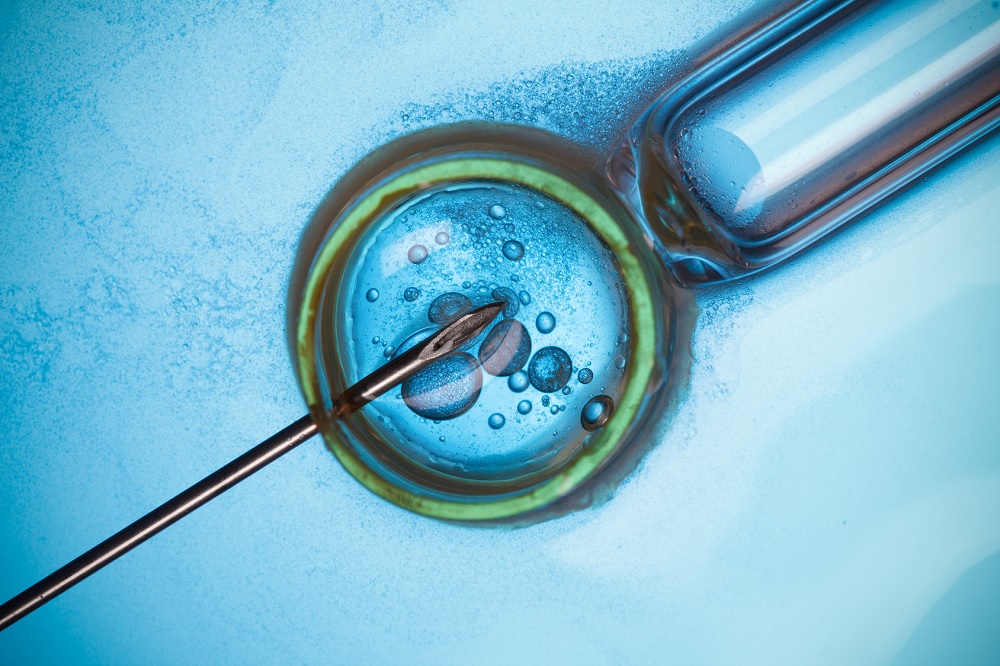
In the realm of fertility treatments, many couples in Thailand and around the world are seeking hope through various assisted reproductive technologies. The Intracytoplasmic Sperm Injection (ICSI) treatment is one such method that has gained widespread attention. However, along with its rising popularity, several myths have also emerged. This blog aims to debunk these misconceptions and present factual information about ICSI treatments to help those considering this option make informed decisions.
When it comes to fertility treatments, especially ICSI treatment, there exists a common myth that it is only meant for severe male infertility issues. While it is true that ICSI was initially developed to assist couples where the male partner had low sperm count or poor sperm motility, its applications have expanded over time. Today, ICSI is commonly used in cases involving unexplained infertility or when previous IVF cycles have failed. It’s essential for Thai couples to understand that while male factor infertility can be a reason for opting for ICSI, this treatment has broader applications that can address different fertility challenges.
Another prevalent myth is that ICSI guarantees pregnancy success. In reality, no fertility treatment can promise 100% success rates. Success depends on multiple factors including the age of the female partner, egg quality, and overall health conditions of both partners involved. Although ICSI can significantly improve fertilisation rates by directly injecting a single sperm into an egg, it does not ensure successful implantation or pregnancy continuation. It’s important for hopeful parents across Thailand to maintain realistic expectations and understand that patience and persistence are often required in the journey towards parenthood.
There’s also a misconception regarding the safety of children born through ICSI treatment — some worry about potential developmental issues or genetic abnormalities. Numerous studies have shown that children born via ICSI grow up healthy and are just as likely to develop normally as those conceived naturally. Thai medical practitioners follow stringent protocols during these procedures to minimise any risks involved. While it’s always wise to discuss any concerns with your fertility specialist, rest assured knowing extensive research supports the safety of this technique.
Financial considerations often fuel myths surrounding accessibility; many believe that ICSI is prohibitively expensive and thus out of reach for most couples in Thailand. While it’s true that advanced fertility treatments come with costs attached due to their specialised nature involving sophisticated technology and skilled professionals, many clinics offer financing options or support programs aimed at making these services more affordable for aspiring parents.
Finally, some individuals mistakenly think undergoing an ICSI treatment means they’ll have twins or triplets automatically due to multiple embryo transfers being common practice. In fact, modern approaches increasingly favour single embryo transfer policies which aim at reducing multiple pregnancies while maintaining high success rates per cycle — an important consideration given the increased risks associated with multiples pregnancies for both mother and babies.
Understanding facts from fiction is crucial when considering any medical procedure like an ICSI treatment. By dispelling these myths with evidence-based information relevant particularly within Thailand’s context where cultural nuances may influence perceptions differently than elsewhere globally, prospective parents can approach their fertility journeys empowered rather than apprehensive about what lies ahead. Remembering each individual case requires personal consultation ensures tailored advice suited best towards achieving desired outcomes responsibly alongside knowledgeable healthcare teams guiding every step along way toward building beautiful families envisioned together.