

What is Hypospadias and Why Does It Matter?
Defining Hypospadias: More Than Just a Birth Defect
Hypospadias is a congenital condition in which a male newborn’s urethra does not terminate at the tip of the penis. Instead, it opens on the underside, a variance that can range from just below the glans to the perineum. This condition affects approximately 1 in 200 to 300 male births, making it one of the most common birth defects of the male genitalia. Despite its prevalence, hypospadias is more than just a physical malformation; it can significantly impact a child’s physical health, urinary function, and psychological well-being. Understanding hypospadias goes beyond mere anatomy—it delves into the implications for quality of life, including the potential for complications such as urinary tract infections, issues with sexual function later in life, and psychosocial challenges stemming from bodily autonomy and self-image.
The Importance of Early Diagnosis and Intervention
Early diagnosis of hypospadias is crucial for effective treatment. Most cases are identified soon after birth, often during routine pediatric examinations. Prompt recognition allows for timely referral to pediatric urologists or surgeons who specialize in this area. Early intervention typically involves surgical correction, which is best performed between 6 months and 18 months of age. This timing is optimal as it not only mitigates complications but also allows the child to heal and develop without the immediate burden of medical procedures. Parents should remain vigilant and proactive in discussing any concerns with their pediatricians, particularly if there are signs of complications such as difficulty in urination or recurrent urinary tract infections. Recognizing hypospadias early can significantly improve outcomes and prepare children for a more typical urinary function as they grow.
A Closer Look: Types of Hypospadias Explained
Hypospadias is classified into several distinct types based on the location of the urethral opening. The three primary classifications include glandular, penile, and perineal hypospadias. Glandular hypospadias is the mildest form, where the opening is located at or near the head of the penis. Penile hypospadias is more complex and can occur along the shaft of the penis, while perineal hypospadias, being the most severe type, results in the urethral opening being positioned close to the scrotum or anus. Understanding these distinctions is critical for tailored surgical approaches. Each type may necessitate different surgical techniques to optimize outcomes, and the severity can influence other anatomical considerations, such as the development of the corpus cavernosum, which can impact erectile function later in life.
Exploring the Surgical Options: Choosing the Right Path
Understanding the Surgical Techniques: From Simple to Complex
The surgical treatment of hypospadias involves various techniques that can range from straightforward procedures to more intricate surgical corrections. The procedure selected typically depends on the type and severity of hypospadias. For instance, a simple tubularization technique might be employed for glandular hypospadias, while a more complex staged repair could be necessary for perineal cases. Techniques often include the use of the child’s own tissues to create a new urethra. Surgeons might utilize a one-stage repair approach, where the urethra is created in a single surgery, or a two-stage approach, which is employed in more complex cases. Advances in surgical methods and materials continue to evolve, enhancing both the functional and aesthetic outcomes of repairs. Comprehensive understanding of these techniques allows parents and guardians to actively engage in discussions regarding the best options for their child’s condition with healthcare providers.
Factors Influencing Surgical Decisions: Age, Severity, and Health
Deciding when and how to proceed with hypospadias surgery is a multifaceted decision influenced by various factors. The age of the child at diagnosis plays a pivotal role, as surgeons typically recommend performing surgery in infancy or early toddler years to minimize psychological stress and post-operative complications. Severity and type of hypospadias also significantly influence the surgical approach; more complex cases necessitating significant reconstruction will require more elaborate planning and potentially multiple procedures. Other factors such as the child’s overall health, any coexisting congenital anomalies, and family history are crucial in shaping the surgical course. Engaging a multidisciplinary team, including pediatricians, urologists, and genetic counselors, can provide comprehensive support for families facing these decisions.
The Role of Surgeons: Finding the Right Specialist for Your Child
Choosing the right surgeon for hypospadias repair is pivotal to achieving successful outcomes. Parents are encouraged to seek specialists who possess extensive experience and training in pediatric urology and reconstructive surgery. Credentials, patient reviews, and the surgeon’s history with similar cases can provide insights into their competency. A thorough consultation should also explore the surgeon’s preferred techniques, post-operative care protocols, and follow-up schedules. Parents should feel comfortable discussing their expectations, understanding the possible risks and complications, and receiving assurances regarding the likelihood of achieving positive functional and cosmetic outcomes. Building a trustful relationship with the surgical team can significantly ease anxieties associated with the process.
What to Expect Before, During, and After Surgery
Preoperative Preparations: Setting the Stage for Success
Preparing for hypospadias surgery involves several important steps to ensure success. Preoperative consultations typically include comprehensive evaluations, focusing on physical assessments, functional tests, and medical history reviews. Parents may receive detailed instructions regarding pre-surgical preparations, including dietary restrictions or medication adjustments. Emotional preparation is equally critical; engaging children in age-appropriate discussions about what they can expect may help to reduce fears and anxieties. Additionally, preoperative appointments provide opportunities for parents to ask questions about the procedure, postoperative expectations, and anticipated recovery timelines. Comprehensive preoperative preparation creates a foundation for successful surgical intervention and can enhance the overall experience for both child and family.
The Surgical Process Demystified: What Happens in the O.R.
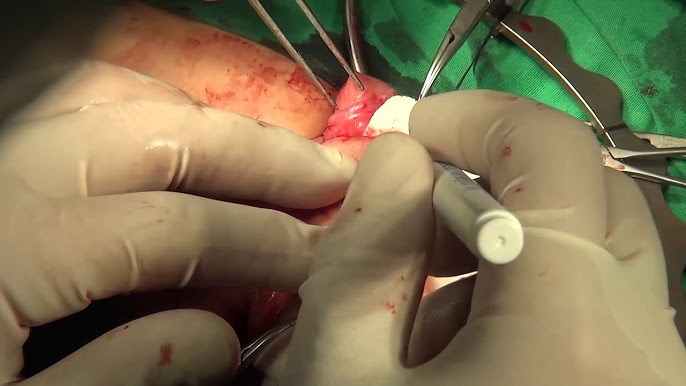
The surgical process for hypospadias correction typically occurs in a pediatric hospital setting, often under general anesthesia. Parents can expect to be separated from their child prior to the surgery but will be reunited once the procedure is completed. The surgical duration can vary widely, from one to several hours, depending on the complexity of the case. During the operation, surgeons meticulously create a new urethral channel, often utilizing skin flaps and grafts to ensure adequate length and function. Post-surgical monitoring is critical, and children are generally observed in the recovery area until the anesthesia wears off. Awareness of the surgical process, prepared parents can better support their child during this critical phase.
Postoperative Care: Navigating Recovery with Confidence
Postoperative care following hypospadias surgery is vital for ensuring proper healing and functional success. Parents should be informed on how to manage medication schedules for pain relief as well as strategies to help their child cope with any discomfort. Typically, a pediatric urologist will provide a detailed care plan that includes instructions for taking care of surgical sites, monitoring for signs of infection, and keeping follow-ups for suture removal or additional evaluations. Emotional support during recovery is equally important; recognizing that children may feel anxious or scared post-surgery can help caregivers respond compassionately. Providing a comfortable and reassuring environment will assist in a smoother recovery process.
Addressing Common Concerns and Questions
Pain Management and Healing: Easing Fears Post-Surgery
One of the most significant postoperative concerns for parents is pain management. Effective pain control strategies are imperative in ensuring a comfortable and expedited recovery for children. Medications prescribed by the surgeon may include over-the-counter options like acetaminophen or prescription pain relievers, depending on the child’s individual needs. Education on why managing pain is essential is critical; untreated pain can lead to increased anxiety or reluctance to engage in necessary activities, potentially complicating recovery. Parents should have open communication with their child’s healthcare team regarding pain levels and any concerns during the healing process, as well as discussions about potential side effects of medications.
Long-Term Outcomes and Follow-Up Care: What Lies Ahead
The long-term outcomes following hypospadias repair are generally very positive, with most children experiencing improved urinary function and cosmetic results. However, it is essential to maintain regular follow-ups with the pediatric urologist to monitor for potential complications such as stricture (narrowing) of the urethra or issues related to sexual function in later years. Monitoring should include evaluating for any psychological effects as children grow, as this condition, and its treatment could impact self-esteem. Ongoing communication with parents about developmental changes and concerns will help ensure that their child receives comprehensive care throughout his life.
Emotional and Psychological Impact: Supporting Your Child’s Journey
While the physical aspects of hypospadias and its treatment are significant, the emotional and psychological journeys for both children and parents cannot be overstated. Children facing unique bodily experiences may struggle with self-image or social interactions. Engaging in open discussions about body positivity, encouraging children to express their feelings, and ensuring they have a support network can foster resilience and self-acceptance. In cases where emotional challenges persist, seeking guidance from mental health professionals specializing in pediatric psychology can provide invaluable support. Through comprehensive care that includes psychological well-being, families can navigate the broader impact of hypospadias surgery together, ensuring a holistic approach to health and healing.
FAQ
Question: What age is ideal for parents to start discussing hypospadias with their pediatrician? – Parents should initiate discussions about hypospadias shortly after diagnosis, which often occurs at birth or during early pediatric check-ups. Early communication can lead to timely intervention and treatment options.
Question: Are there any non-surgical treatments available for hypospadias? – Currently, surgical correction is the primary and most effective treatment for hypospadias. While there are supportive measures for associated issues, such as urinary tract infections, these do not address the underlying condition.
Question: How can parents assess the success of the surgical procedure? – Success can be evaluated through follow-up visits with the pediatric urologist, monitoring for normal urinary function, minimal scarring, and psychological well-being. Parents should also track their child’s development and address any concerns early.
Question: What resources are available for emotional support post-surgery? – Parents can seek support from pediatric psychologists, support groups for families of children with hypospadias, and online forums. These resources can provide emotional guidance and facilitate discussions about shared experiences.
Question: Are there lifestyle changes recommended after hypospadias surgery? – While most children can return to normal activities within a few weeks, parents should encourage gentle play and monitor for signs of discomfort. It’s also important to maintain regular follow-ups with healthcare providers.
Question: How long is the typical recovery period after hypospadias surgery? – Recovery generally takes a few weeks, with most children able to return to regular activities within 2 to 4 weeks post-surgery. However, full recovery and healing of the surgical site may take longer.
Question: What complications can arise from hypospadias surgery? – Potential complications include infection, scarring, urethral stricture, or dissatisfaction with cosmetic results. Ongoing monitoring and follow-up appointments can help promptly address any issues that arise.
Question: Is it common for children to experience anxiety before surgery? – Yes, anxiety is common among children before surgery. Parents can help by preparing their child with information appropriate for their age and providing emotional support to ease fears about the procedure.
Useful Resources
- American Academy of Pediatrics (AAP)
- Urology Care Foundation
- Children’s Hospital Association
- National Institute of Child Health and Human Development
- Pediatric Urology Book
- National Institutes of Health (NIH)
- Mayo Clinic
- Johns Hopkins Medicine