

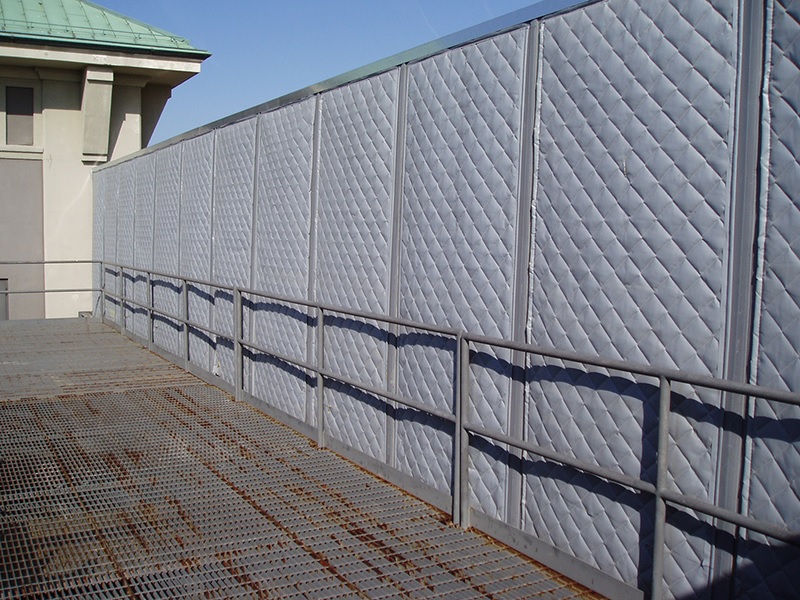
1. Understanding the Importance of Outdoor Sound Barrier Panels
Noise pollution has become a significant issue in modern society. Whether it’s traffic noise, construction sounds, or loud neighbors, excessive noise can have a detrimental impact on our health and well-being. This is where outdoor sound barrier panels come into play. These panels are designed to mitigate noise pollution and create a tranquil environment in outdoor spaces.
1.1 The Science Behind Sound Pollution
Before delving into the benefits of outdoor sound barrier panels, it’s essential to understand the science behind sound pollution. Sound is a form of energy that travels in waves. When sound waves encounter barriers, such as walls or buildings, they bounce off and create reverberations. This bouncing of sound waves leads to noise pollution, which can be disruptive and irritating.
Noise pollution is measured in decibels (dB), and prolonged exposure to high levels of noise can have adverse effects on our health. It can lead to increased stress levels, disturbed sleep patterns, cardiovascular issues, and even hearing loss.
1.2 The Impact of Noise Pollution on Health and Well-being
Excessive noise can have a profound impact on our health and well-being. Studies have shown that prolonged exposure to high levels of noise can contribute to a range of health problems, including increased blood pressure, elevated heart rate, and the release of stress hormones.
Additionally, noise pollution can hinder concentration and productivity, affecting our ability to work and study effectively. It can also disrupt sleep patterns, leading to sleep deprivation and its associated health issues.
Furthermore, noise pollution can have a negative impact on mental health. It can increase stress levels, cause irritability, and contribute to anxiety and depression.
1.3 How Outdoor Sound Barrier Panels Can Mitigate Noise Pollution
Outdoor sound barrier panels are specifically designed to reduce the transmission of sound and mitigate noise pollution. These panels are made from materials that absorb, reflect, or diffract sound waves, preventing them from traveling to unwanted areas.
By installing outdoor sound barrier panels, you can create a quieter and more peaceful outdoor environment. These panels act as a physical barrier, blocking and reducing the noise levels from external sources. They are commonly used near highways, construction sites, airports, and residential areas to minimize the impact of noise pollution.
2. Factors to Consider When Choosing Outdoor Sound Barrier Panels
When selecting outdoor sound barrier panels, there are several crucial factors to consider to ensure you choose the right option for your specific needs:
2.1 Material and Durability
The material used to construct the sound barrier panels plays a vital role in their effectiveness and longevity. Common materials include concrete, masonry, wood, timber, and composite materials.
Concrete and masonry panels are known for their durability and ability to block sound effectively. However, they can be heavy and require professional installation. Wood and timber panels offer a more aesthetically pleasing option, but they may not provide the same level of sound reduction as concrete panels.
Composite sound barrier panels, on the other hand, combine different materials to achieve both durability and soundproofing capabilities. These panels are often lightweight, easy to install, and can be customized to match different outdoor settings.
2.2 Aesthetics and Design
While the primary purpose of outdoor sound barrier panels is to reduce noise, the aesthetics and design of the panels are also essential considerations. The panels should complement the overall outdoor environment and enhance its visual appeal.
There are various design options available for outdoor sound barrier panels, including different colors, textures, and patterns. Some panels even allow for customization with artwork or vegetation, blending seamlessly into the surrounding landscape.
2.3 Installation Methods and Techniques
The installation process of outdoor sound barrier panels can vary depending on the material and design. It’s essential to consider the installation methods and techniques required for each type of panel.
Concrete and masonry panels typically require professional installation due to their weight and structural requirements. Wood and timber panels may be more suitable for DIY installations, as they are generally lighter and easier to handle. Composite panels often come with installation instructions that make the process straightforward.
3. Exploring the Different Types of Outdoor Sound Barrier Panels
There are several different types of outdoor sound barrier panels available in the market. Each type offers its unique features and benefits:
3.1 Concrete and Masonry Sound Barrier Panels
Concrete and masonry panels are considered the gold standard when it comes to soundproofing outdoor spaces. These panels are solid and provide excellent sound absorption properties, making them ideal for areas with high noise levels.
Concrete panels come in various thicknesses and can be customized to fit different requirements. They are highly durable and long-lasting, capable of withstanding harsh weather conditions. However, their weight and installation complexity may require professional help.
3.2 Wood and Timber Sound Barrier Panels
Wood and timber sound barrier panels offer a more natural and aesthetically pleasing option. These panels are typically made from treated wood or timber, designed to resist weathering and decay.
While wood and timber panels may not provide the same level of sound reduction as concrete panels, they can still significantly reduce noise levels. They are relatively lightweight and easy to install, making them a popular choice for DIY enthusiasts.
3.3 Acoustic Fencing and Composite Sound Barrier Panels
Acoustic fencing and composite sound barrier panels combine different materials to create an effective noise reduction solution. These panels often consist of a core material, such as recycled plastic, encased in other materials, such as metal or wood.
Acoustic fencing and composite panels offer versatility in terms of design and customization options. They can be designed to mimic the appearance of other materials, such as wood, while providing the soundproofing benefits of the core material.
4. DIY Tips and Tricks for Installing Outdoor Sound Barrier Panels
If you’re considering a DIY installation of outdoor sound barrier panels, here are some tips and tricks to ensure a successful project:
4.1 Preparing the Installation Area
Prior to installation, it’s essential to prepare the area where the panels will be installed. Clear any vegetation, debris, or obstacles that may hinder the installation process.
Measure the area and mark the locations where the panels will be installed. Ensure the measurements are precise to avoid any gaps or overlaps.
4.2 Step-by-Step Installation Instructions
Follow the manufacturer’s instructions provided with the panels for the specific installation process. Different types of panels may have varying installation techniques.
Start by properly anchoring the panels to the ground or existing structures. Use appropriate hardware, such as screws or brackets, to secure the panels in place. Ensure they are level and aligned correctly.
If required, connect multiple panels together to cover larger areas. Use connectors or joiners recommended by the manufacturer to create a seamless connection.
4.3 Maintenance and Upkeep of Outdoor Sound Barrier Panels
To ensure the longevity and effectiveness of outdoor sound barrier panels, regular maintenance is essential.
Inspect the panels periodically for any signs of damage or wear. Repair or replace any damaged panels to maintain the soundproofing functionality.
Clean the panels regularly to remove dirt, debris, and any organic growth that may accumulate over time. Follow the manufacturer’s cleaning recommendations to avoid damaging the panels.
Additionally, check for any vegetation growing near the panels that could affect their performance. Trim or remove any plants that may obstruct the sound barrier.
By following these DIY tips and tricks and properly maintaining the outdoor sound barrier panels, you can enjoy a peaceful and noise-free outdoor environment for years to come.
FAQ
Question: What are outdoor sound barrier panels? – Outdoor sound barrier panels are designed to mitigate noise pollution and create a quieter environment in outdoor spaces.
Question: How does noise pollution affect our health? – Excessive noise can lead to increased stress levels, disturbed sleep patterns, cardiovascular issues, and even hearing loss. It can also hinder concentration, productivity, and mental well-being.
Question: How do outdoor sound barrier panels mitigate noise pollution? – Outdoor sound barrier panels reduce the transmission of sound by absorbing, reflecting, or diffracting sound waves, preventing them from reaching unwanted areas.
Question: What factors should I consider when choosing outdoor sound barrier panels? – When choosing outdoor sound barrier panels, consider the material and durability, aesthetics and design, and installation methods and techniques.
Question: What materials are commonly used for outdoor sound barrier panels? – Common materials include concrete, masonry, wood, timber, and composite materials.
Question: What are the advantages of concrete and masonry sound barrier panels? – Concrete and masonry panels are durable, effective in blocking sound, and can withstand harsh weather conditions.
Question: Are wood and timber sound barrier panels effective? – While wood and timber panels may not provide the same level of sound reduction as concrete panels, they can still significantly reduce noise levels. They are also lightweight and easy to install.
Question: Are there DIY tips for installing outdoor sound barrier panels? – Yes, some DIY tips include preparing the installation area, following step-by-step installation instructions provided with the panels, and regularly maintaining the panels.
Question: How should outdoor sound barrier panels be maintained? – Regular maintenance includes inspecting for damage, repairing or replacing damaged panels, cleaning the panels regularly, and trimming or removing vegetation that may obstruct the panels.
Question: Are there different types of outdoor sound barrier panels available? – Yes, different types include concrete and masonry panels, wood and timber panels, and acoustic fencing or composite panels that combine different materials.
Question: Where are outdoor sound barrier panels commonly used? – Outdoor sound barrier panels are commonly used near highways, construction sites, airports, and residential areas to minimize the impact of noise pollution.
Question: Can outdoor sound barrier panels be customized? – Yes, some panels offer customization options such as different colors, textures, patterns, artwork, or vegetation integration.
Question: Are outdoor sound barrier panels suitable for DIY installations? – Some panels, such as wood and timber panels, are lighter and easier to handle, making them suitable for DIY installations. However, concrete and masonry panels may require professional installation.
Useful Resources:
- https://www.noisemeters.com/ – Provides information on noise measurement and monitoring.
- https://www.epa.gov/noise – Official website of the Environmental Protection Agency (EPA) with resources on noise pollution and its effects.
- https://www.soundproofcow.com/ – Offers a variety of soundproofing products, including outdoor sound barrier panels.
- https://www.quietstone.co.uk/ – Specializes in soundproofing solutions, including outdoor sound barrier panels.
- https://www.gardenerdy.com/sound-barrier-fence/ – Provides information on sound barrier fences and installation tips.
- https://www.soundblocking.com/ – Offers a range of soundproofing products and solutions.
- https://www.diynetwork.com/ – Provides DIY tips, advice, and instructions for various home improvement projects.
- https://www.thisoldhouse.com/ – Offers DIY guides and articles for home improvement projects.