
For decades, asbestos was a widely used material in construction for its durability, fire resistance, and insulating properties. However, it is now recognised as a major health hazard. Efforts across Australia have focused on regulation and safe removal to protect public health, especially in areas where asbestos was commonly used in buildings.
What is asbestos and why is it dangerous?
Asbestos is a naturally occurring mineral composed of soft, flexible fibres that are resistant to heat, electricity, and corrosion. It was extensively utilised in residential and commercial construction until its health dangers came to light.
When asbestos-containing materials become damaged or disturbed—through renovations, repairs, or demolition, microscopic fibres can become airborne. If inhaled, these fibres can lodge in the lungs, leading to serious health risks, including:
- Mesothelioma: A rare and aggressive cancer found in the lining of the lungs, abdomen, or heart.
- Asbestosis: A chronic lung disease causing scarring of the lung tissue that results in shortness of breath and persistent coughing.
- Lung Cancer: Long-term exposure to airborne asbestos significantly increases the risk.
- Pleural Disease: A condition affecting the outer lining of the lungs that can cause chest pain and breathing difficulties.
The latency period for asbestos-related diseases can be several decades, meaning symptoms may only appear years after exposure, making prevention crucial.
The importance of safe asbestos removal in Australia
Australia banned asbestos use entirely in 2003. However, many older buildings still contain asbestos materials, particularly homes built before the 1990s. These materials may remain harmless if they are in good condition and left undisturbed. But damaged or deteriorating asbestos poses a significant risk.
Safe removal requires strict adherence to regulations set by the Australian Work Health and Safety Act and Safe Work Australia guidelines. These measures ensure the protection of workers, property occupants, and the environment.
Key principles of safe removal:
- Assessment
Before beginning any renovations or demolitions, conduct a professional inspection to confirm the presence of asbestos. Licensed assessors can test for asbestos and provide advice on required measures.
- Use qualified professionals
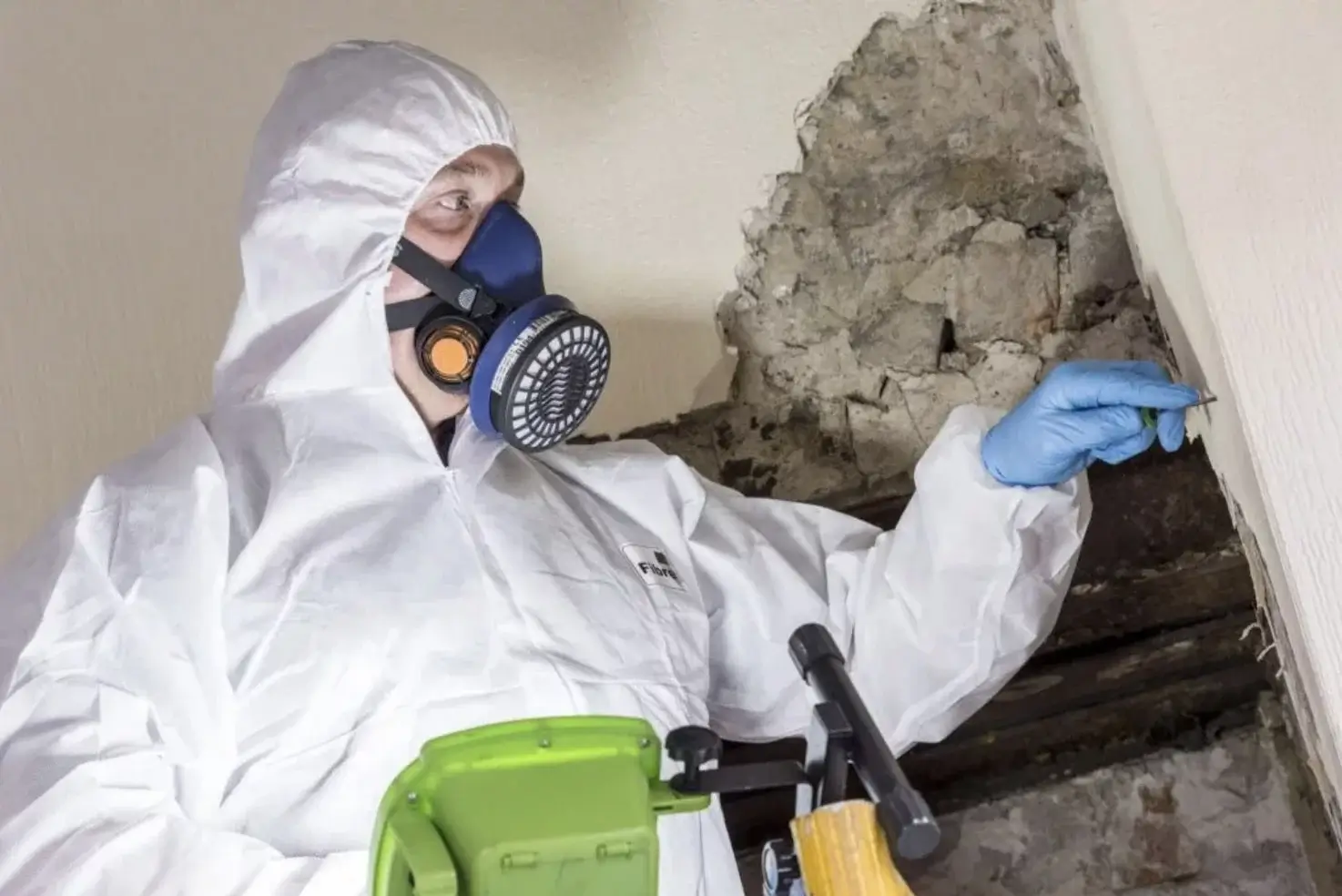
Only licensed asbestos removalists, such as those available in Perth, can safely remove and dispose of asbestos following legal protocols. Untrained handling can lead to widespread contamination and significant health risks.
- Proper disposal
Australian laws mandate the disposal of asbestos waste in authorised facilities to prevent contamination of surrounding sites and environments.
Protecting public health
The threat asbestos poses is very real, but it’s manageable with the necessary precautions. If your property contains asbestos, whether in ceiling tiles, insulation, or roofing, avoid attempting DIY removal. Engage certified asbestos removalists in Perth to ensure the process is handled safely and in compliance with laws.
Safe removal prevents exposure and eliminates the long-term risk of airborne fibres affecting homes or worksites. By doing so, Australians can safeguard their families, employees, and communities from this preventable hazard.
Understanding and addressing the risks of asbestos is not only a matter of compliance; it’s a critical step toward maintaining health and safety.