
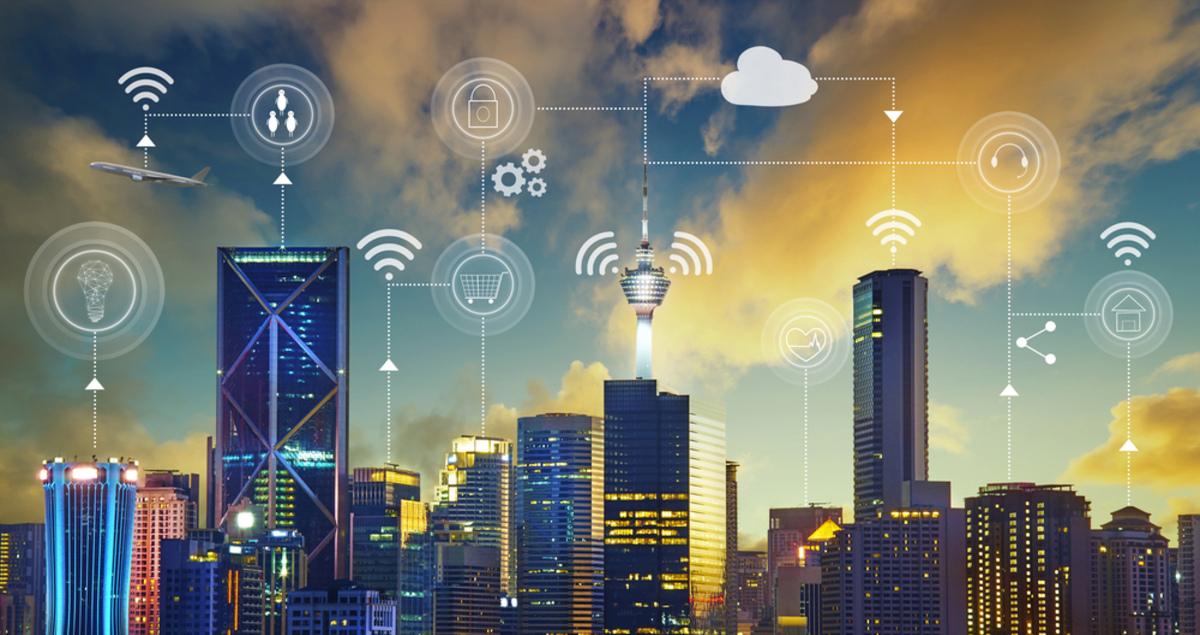
Thailand stands at the forefront of technological advancement in Southeast Asia, with smart building solutions rapidly transforming the urban environment across Bangkok, Chiang Mai, and other major cities. These innovative systems are reshaping how Thai buildings operate, offering significant benefits for property owners, tenants, and the environment.
The integration of automated building solutions has become increasingly popular amongst Thai developers and property managers who recognise the long-term value these technologies provide. From energy management to security systems, smart buildings utilise interconnected devices and sensors to optimise performance whilst reducing operational costs.
Smart building solutions for a sustainable future represent more than technological upgrades—they address Thailand’s growing environmental concerns and energy efficiency requirements. With rising electricity costs and government initiatives promoting green construction practices, these systems offer practical solutions for modern Thai buildings.
Energy Efficiency Benefits
Thai buildings equipped with smart technology typically achieve 20-30% reductions in energy consumption compared to traditional structures. Intelligent lighting systems automatically adjust based on occupancy and natural light levels, whilst climate control systems optimise temperature settings throughout different zones of a building.
Solar panel integration has become particularly relevant in Thailand’s tropical climate, where abundant sunshine provides excellent opportunities for renewable energy generation. Smart buildings can automatically switch between grid power and solar energy based on availability and cost considerations.
Enhanced Security and Safety
Modern smart building solutions include advanced security features that appeal to Thai property owners and tenants. Facial recognition systems, automated access controls, and integrated CCTV networks provide comprehensive security coverage whilst maintaining user convenience.
Fire safety systems benefit significantly from smart technology integration. Automated sprinkler systems, smoke detection networks, and emergency evacuation protocols can respond instantly to potential threats, protecting both property and occupants.
Cost Savings and ROI
The financial advantages of smart building solutions extend beyond energy savings. Predictive maintenance systems monitor equipment performance and schedule repairs before costly breakdowns occur. This approach reduces both maintenance expenses and disruption to building operations.
Property values typically increase following smart building implementations, making these investments attractive to Thai real estate investors. The combination of reduced operating costs and enhanced property values creates compelling business cases for smart building adoption.
Environmental Impact
Thailand’s commitment to reducing carbon emissions aligns perfectly with smart building capabilities. These systems contribute to national sustainability goals by minimising energy waste and promoting efficient resource utilisation.
Water management systems monitor consumption patterns and detect leaks early, addressing Thailand’s water conservation priorities whilst reducing utility costs for building owners.
The smart building market in Thailand continues expanding as technology costs decrease and awareness increases. Government incentives supporting green building initiatives further encourage adoption across residential, commercial, and industrial sectors.
Integration with Thailand’s developing smart city infrastructure creates additional opportunities for connected building systems. These developments position Thailand as a regional leader in sustainable building technology, demonstrating how smart solutions can address local challenges whilst supporting broader environmental objectives.
Smart building solutions represent practical investments in Thailand’s sustainable future, combining technological innovation with environmental responsibility to create better buildings for everyone.