

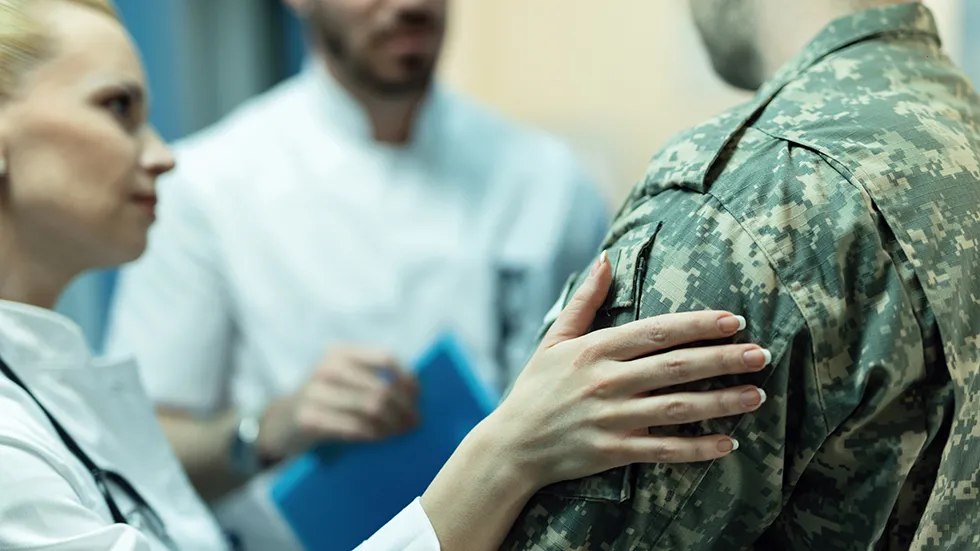
Veterans dedicate their lives to serving their country, and while their courage often goes unspoken, the challenges they face upon returning to civilian life deserve careful attention. Among these challenges, mental health stands as a crucial area that needs a tailored approach. With a unique set of experiences, veterans require mental health care solutions that understand and respect the complexities of their service history.
Unique Mental Health Needs of Veterans
Military service places individuals in high-stress, high-risk environments, often for prolonged periods. This exposure can result in conditions such as post-traumatic stress disorder (PTSD), depression, anxiety, and more. Additionally, the transition from the structured life of military service to civilian life can, for many, feel isolating and overwhelming.
Veterans may face difficulty connecting with loved ones or peers who haven’t shared similar experiences. This sense of isolation can exacerbate mental health challenges, making specialised support an essential resource for helping veterans on the path to recovery.
Why Specialised Care Matters
Veterans benefit most from mental health care services explicitly designed to cater to their experiences. Specialised care means working with practitioners who have an understanding of military culture and are trained to address specific challenges veterans may encounter.
Effective care can involve individual counselling, group therapy with fellow veterans, or treatment that integrates the latest research in trauma recovery. By focusing on the unique aspects of military life—including deployment, combat exposure, and reintegration into civilian life–specialists can foster a more empathetic and effective environment for recovery.
The Importance of Accessibility
Access to quality mental health care is vital for veterans across Australia. While larger cities may host a variety of services, veterans living in rural or regional areas face additional challenges in finding the right support network. Expanding telehealth services can bridge these gaps, ensuring that veterans, regardless of location, are given every opportunity to access the care they need.
Ensuring affordability is another essential factor. For many veterans, the financial strain of healthcare can act as a barrier, making it imperative to have subsidised or fully funded services available to those who require it.
Strengthening Community Support
Mental health care is not limited to medical professionals. Community-based programs can play an equally significant role in ensuring veterans feel supported. Peer groups, veteran-led initiatives, and organisations focused on veteran well-being can facilitate invaluable connections and provide a sense of belonging.
Such groups, combined with professional care, create a multi-faceted support system for veterans, reinforcing their path to mental recovery while improving their overall quality of life.
Australia must continue to ensure that veterans have access to specialised, empathetic care tailored to their needs. Whether through traditional counselling, advancements in telehealth, or community initiatives, these efforts represent a profound recognition of their service and sacrifice.
For further information on accessible care for veterans, visit https://veteranmedical.com.au/ to explore available options.