

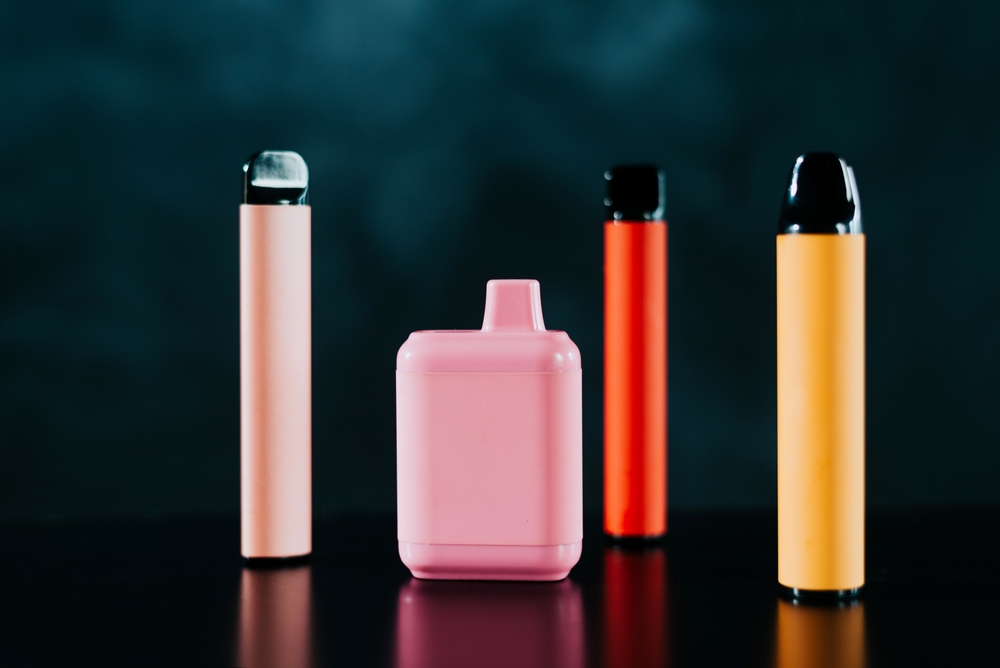
Disposable pods have rapidly gained traction as one of the easiest and most convenient ways to enjoy nicotine products, particularly in Thailand. Their sleek design paired with a hassle-free, ready-to-use approach has made them immensely popular among first-time users and experienced consumers alike. However, this growing trend has sparked critical conversations about their impact on health, society, and the environment.
One of the factors contributing to the rise of disposable pods in Thailand is their accessibility and affordability. Many people are drawn in by their relatively low pod price (called พอต ราคา in Thai), which makes trying these products far easier than traditional alternatives. However, this affordability often comes at a cost, not just to the individual but to the broader community.
Another consideration is the way disposable pods are marketed around convenience and variety. With numerous flavours to choose from, they have become especially appealing to younger consumers. But beneath this convenience lies a more troubling reality. These single-use devices are contributing to a burgeoning waste problem. Without a standardised recycling system in place, many of these devices end up being discarded irresponsibly, adding to Thailand’s growing environmental challenges. Given their non-biodegradable materials and internal batteries, their long-term impact on ecosystems could be significant.
Health Risks That Often Go Overlooked
Disposable pods may appear less intimidating compared to traditional cigarettes, but this perception doesn’t mean they are without harm. They still contain nicotine, a highly addictive substance that can have serious health consequences. The sleek and modern design of these pods often masks the risks associated with their use, encouraging habits that can be hard to break. The effects on long-term users in Thailand could mirror issues already observed in other markets, ranging from nicotine addiction to respiratory concerns.
A growing number of young people experimenting with pods presents another concern. Many are unaware of the implications of regular use, believing these devices to be a “safer” alternative. This lack of awareness can lead to a dependency forming at an early age, which could have far-reaching consequences for their health and well-being.
Environmental and Social Implications
Thailand faces a unique challenge when it comes to managing waste, and the widespread use of disposable pods only adds to the burden. These products are often not disposed of responsibly, and recycling remains limited. Discarded pods end up in landfills or waterways, where they contribute to pollution and environmental degradation. Addressing this issue necessitates stronger waste management policies and more awareness among users about their responsibility in disposal.
Social attitudes towards disposable pod use are also shifting, with more discussions arising about their impact on public health. While these devices may seem like an easy choice, their hidden dangers, both health-related and environmental, are becoming increasingly apparent.
Rethinking the Trend
Though disposable pods continue to gain popularity in Thailand, it’s crucial to consider their broader impacts. From the affordable pod price enticing new users to the hidden dangers lurking behind their convenience, this rising trend requires more attention. Whether through better education or stricter regulations, society must work to address these challenges before they escalate further.