
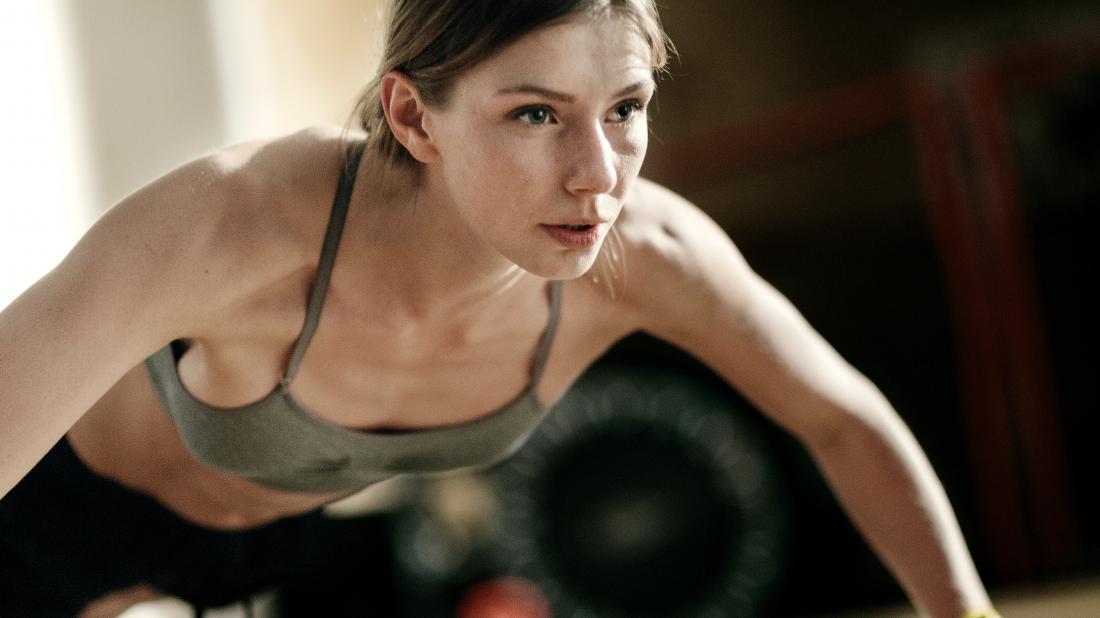
High-Intensity Interval Training (HIIT) has become synonymous with efficiency and results. A hiit training workout is designed to push the body through alternating cycles of high effort and recovery. While many assume this style of training is only for the young and athletic, research increasingly shows that HIIT can benefit special populations too. With proper modifications and professional supervision, older adults, cardiovascular patients, and even cancer survivors can safely engage in HIIT and enjoy its transformative effects.
Why HIIT is Suitable Beyond Athletes
HIIT is built on the principle of scalability. This means work and rest intervals, intensity levels, and exercises can all be adjusted to suit the capabilities of the participant. What makes HIIT particularly appealing for special populations is its efficiency. In just 20 to 30 minutes, participants can achieve measurable cardiovascular, muscular, and metabolic improvements.
For groups who may struggle with motivation, stamina, or time, HIIT provides a manageable pathway to healthier living without requiring long workout sessions.
HIIT for Older Adults
Key Benefits
-
Cardiovascular Health: HIIT helps lower blood pressure, improves circulation, and reduces the risk of stroke.
-
Mobility and Balance: Intervals with low-impact movements such as step-ups or cycling improve coordination and reduce fall risk.
-
Bone Density: Resistance-based HIIT routines help strengthen bones, which is essential for combating osteoporosis.
-
Mental Health: Exercise intensity stimulates endorphin release, which improves mood and cognitive function.
Safety Modifications
-
Longer rest intervals to prevent overexertion.
-
Focus on joint-friendly exercises like cycling, brisk walking, or resistance bands.
-
Supervised sessions with gradual progression.
Older adults often gain confidence when they see improvements in daily tasks such as climbing stairs, carrying groceries, or playing with grandchildren.
HIIT for Cardiovascular Patients
Why It Works
Cardiovascular patients often benefit from structured exercise, but intensity is a concern. HIIT offers controlled bursts of effort that challenge the heart, followed by sufficient rest to allow recovery. This trains the heart to pump more efficiently over time.
Clinical Evidence
Studies have shown that HIIT can:
-
Increase VO₂ max more effectively than steady-state cardio.
-
Improve arterial flexibility.
-
Reduce resting heart rate.
-
Support faster recovery after heart events under medical supervision.
Safety Precautions
-
Medical clearance is essential before starting.
-
Sessions should be tailored to moderate intensity, avoiding all-out sprints.
-
Heart rate monitoring ensures safe limits are respected.
-
Recovery periods must be generous to prevent undue strain.
By following these guidelines, cardiovascular patients can build resilience and improve overall quality of life.
HIIT for Cancer Survivors
How HIIT Supports Recovery
Cancer survivors often face fatigue, muscle weakness, and reduced stamina as a result of treatments such as chemotherapy and radiation. HIIT, when carefully structured, combats these challenges by stimulating energy systems and rebuilding physical capacity.
Benefits include:
-
Improved energy levels and reduced fatigue.
-
Stronger immune response through enhanced circulation.
-
Muscle rebuilding and prevention of treatment-related weight gain.
-
Improved mental health, reducing anxiety and depression associated with survivorship.
Practical Modifications
-
Use bodyweight or light resistance rather than heavy loads.
-
Incorporate longer rest periods, especially in early stages of recovery.
-
Emphasise functional movements such as step-ups, wall push-ups, or light cycling.
-
Keep sessions short to prevent exhaustion.
Cancer survivors often find HIIT empowering, as it provides a sense of control and progress during a period where health can feel uncertain.
Overcoming Barriers
Special populations often face additional barriers to fitness such as fear, lack of guidance, or medical limitations. Overcoming these requires:
-
Professional support from certified trainers.
-
Clear communication with healthcare providers.
-
Gradual progression that builds trust and confidence.
-
Community encouragement, which keeps motivation high.
In Singapore, gyms such as True Fitness are increasingly aware of these needs, offering structured classes that can be adapted for different abilities.
The Psychological Dimension
For older adults and patients, HIIT is not only about physical change but also about mental resilience. The feeling of completing a session despite limitations builds confidence and self-worth. This sense of achievement often extends into other areas of life, from social relationships to workplace performance for those returning to employment after illness.
The Role of Trainers and Healthcare Professionals
Trainers play a vital role in adapting HIIT for special populations. Their expertise ensures safe modifications, proper form, and the right work-to-rest balance. Collaboration between fitness professionals and healthcare providers is also crucial. Together, they ensure the individual’s training supports recovery and long-term health without unnecessary risks.
Real-Life Applications in Singapore
Singapore has made strong efforts to promote active ageing and wellness for all demographics. HIIT programmes are now part of wellness initiatives in community centres, corporate settings, and healthcare rehabilitation programmes. Whether it is an older adult staying active or a cancer survivor rebuilding strength, structured HIIT is proving to be both accessible and effective.
How Special Populations Can Start Safely
-
Seek medical advice before beginning HIIT.
-
Start small, with one to two sessions a week.
-
Use low-impact movements that minimise stress on joints and healing tissues.
-
Prioritise form over speed to reduce injury risks.
-
Listen to the body and rest when needed.
With patience and consistency, results are not only possible but sustainable.
FAQ
Q1. Can seniors safely attempt HIIT without supervision?
It is not advisable. While low-intensity modifications can be safe, professional supervision ensures correct form, appropriate intensity, and reduced injury risk.
Q2. Is HIIT safe for heart patients taking medication?
Yes, but only under strict medical clearance. Trainers should be aware of medications that affect heart rate and adjust sessions accordingly.
Q3. How does HIIT help reduce cancer-related fatigue?
HIIT stimulates circulation, oxygen delivery, and energy systems, which helps reduce fatigue caused by treatments such as chemotherapy.
Q4. Can HIIT replace physiotherapy after surgery?
No, HIIT should not replace physiotherapy. It can, however, complement rehabilitation programmes once medical clearance is obtained.
Q5. How often should special populations train with HIIT?
One to three sessions weekly is usually safe, depending on health status. Rest and recovery are especially important.
Q6. Are group HIIT classes suitable for special populations?
Yes, but classes should be designed with modifications in mind. Smaller groups with trainer attention are more effective than large, unsupervised sessions.